
Renewable energy has reshaped the global power landscape, reducing dependence on fossil fuels and accelerating sustainability efforts worldwide. Yet as energy systems evolve, a new challenge has emerged: continuity. Clean energy must not only be renewable—it must be reliable, intelligent, and available at all times.
The next phase of energy innovation is focused on solving this challenge.
The Limits of Intermittent Power
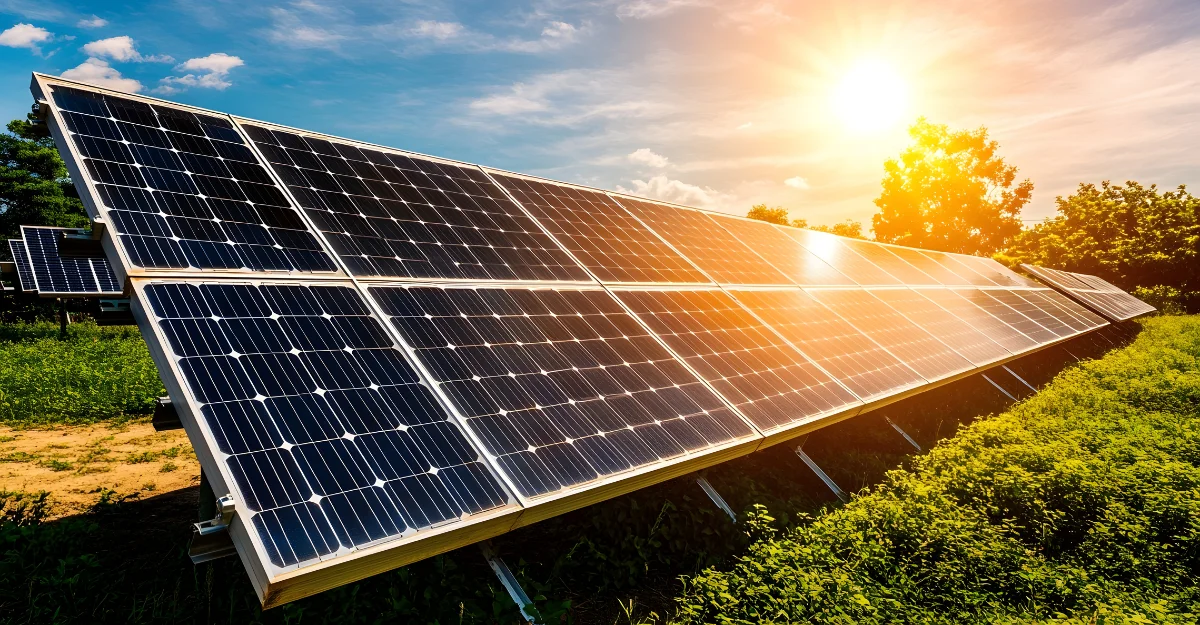
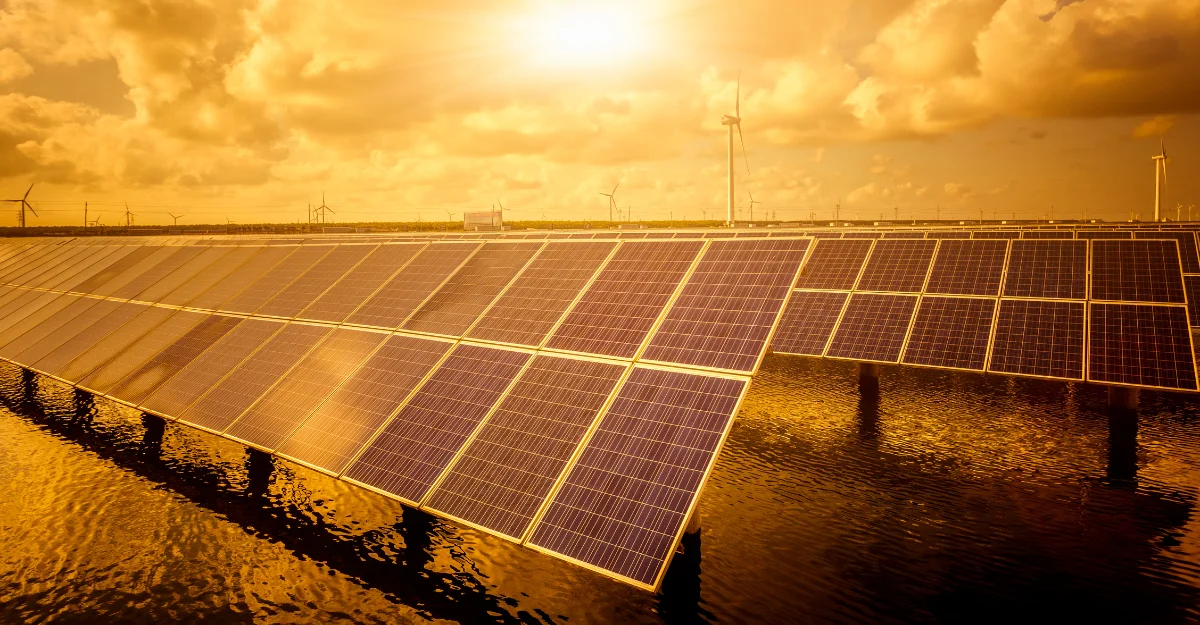
Solar and wind energy have proven their value, but they remain subject to natural variability. Day-night cycles, weather conditions, and geographic limitations can disrupt supply, creating gaps that demand backup systems or grid reliance.
As infrastructure becomes more connected and autonomous, these gaps are no longer acceptable. Smart cities, advanced manufacturing, and digital services require energy systems that operate continuously—without interruption.
Continuous Energy Through Light Innovation
Light-based energy technologies introduce a new approach to power generation. Instead of depending solely on direct sunlight, these systems harness ambient, artificial, and engineered light sources to produce electricity across a wide range of environments.
This capability enables energy generation indoors, within urban structures, and in controlled industrial settings—delivering power where traditional renewable systems fall short.
A Strategic Advantage for Sustainable Development
Continuous energy is not just a technical improvement—it’s a strategic one. By reducing reliance on centralized grids and minimizing energy loss, light-driven systems enhance efficiency, resilience, and energy independence.
For nations and cities pursuing net-zero goals, this approach supports sustainability without compromising performance. It enables infrastructure to grow smarter while maintaining environmental responsibility.
Building Energy Systems for the Long Term
Future energy solutions must be designed with longevity in mind. Scalability, adaptability, and durability are essential for supporting long-term economic and environmental objectives.
Light-based energy systems are engineered to integrate seamlessly into evolving infrastructure, ensuring relevance as technology and urban needs advance. This forward compatibility positions continuous energy as a foundation for next-generation development.
Redefining Energy Leadership
Organizations like Light Energy are leading this shift—moving beyond conventional renewable models to deliver intelligent energy systems aligned with the future.
By redefining how light is captured, converted, and applied, a new standard of clean power is emerging—one that prioritizes continuity, innovation, and sustainability.
Looking Ahead
The future of energy will not be defined by a single source, but by how intelligently power is generated and applied. Continuous, light-driven energy represents a critical step toward resilient infrastructure and a post-carbon global economy.